The Definitive Guide to
Queens Office Lofts.
A field guide to Queens' loft districts — what the buildings actually are, which districts still allow production, and how to work out which one fits what you do.
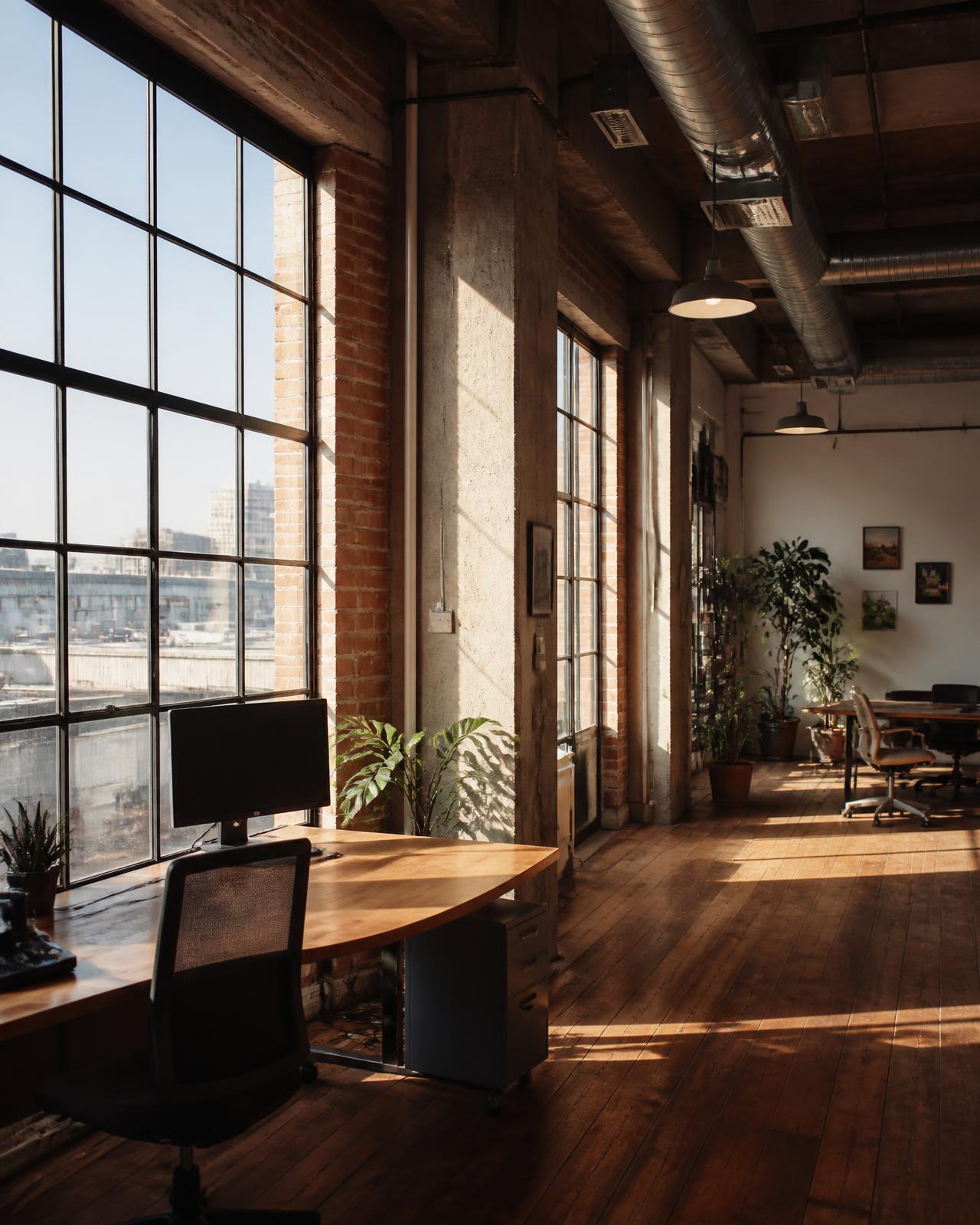
One borough, two histories
Brooklyn's loft story is about conversion — district by district, industrial land turning into something else, and the whole search shaped by what is protected and what is disappearing.
Queens went the other way, and almost nobody says so. In 2001 the city rezoned Hunters Point for residential and the towers followed: thousands of apartments and a skyline that did not exist twenty-five years ago. That is the change everyone can see, and it is confined to a few blocks.
Everywhere else the industrial land was left alone. Maspeth, Ravenswood, the Steinway blocks in Astoria, Dutch Kills directly behind the towers, the yards along Newtown Creek — still zoned for what they do, still doing it.
So the first question here is not what a building is made of. It is whether you are standing in the part of Queens that converted, or the great majority that did not. The two are often within sight of each other.
Four kinds of floor
Reinforced-concrete daylight factory (roughly 1900–1930). Mushroom-capped columns, flat slabs, very large windows on several exposures. Built for machinery and for light, so wide column grids and high, uniform floor loads. Concentrated in Long Island City along Vernon and Jackson and through Dutch Kills.
Brick manufacturing loft (roughly 1890–1930). Smaller and plainer — three to six stories, steel-sash windows, timber or early steel framing, usually one freight shaft. Plates commonly four to ten thousand square feet. Most of Ridgewood, and much of Astoria east of Steinway Street.
Post-war industrial warehouse (roughly 1940–1975). Concrete and steel, wide bays, drive-in doors and docks at grade, high floor loads, often single storey. Maspeth and the expressway blocks are full of it. No charm, maximum capability, and the best truck access in the city.
Glass tower (2005 onward). Court Square and the Hunters Point waterfront only. Nothing loft about it. Worth naming anyway, because it sets the ceiling on price in Long Island City, and its vacancy is what creates room to negotiate on everything below it.
What survived, and why
Two near-identical concrete floors, one in Dutch Kills and one three blocks away in Hunters Point, are completely different products — and the difference has nothing to do with the buildings.
Still working. Maspeth, Dutch Kills, the Steinway blocks and Ravenswood sit inside Industrial Business Zones or long-standing manufacturing districts. Production is the expected use. Three-phase power, venting, floor loads and truck access are ordinary conversations, and the land is not on a path to housing. If you are spending real money on a build-out, this is where it is safest.
Converted. Hunters Point and Court Square. Rezoned in 2001, built out since, now residential and Class A office with a handful of surviving loft buildings inside. Excellent for an office tenant. The wrong address for anything that makes noise after six.
Block by block. Ridgewood, parts of Woodside, the edges of Long Island City. Residential and industrial share the same street and what you can do depends on the specific building rather than the district. Here the certificate of occupancy decides more than the zoning map does — read it before the letter of intent, not after.
The consequence is worth stating plainly: in Queens the good industrial floors did not disappear. They just stopped being obvious, because nobody wrote about this borough the way they wrote about Brooklyn.
How the districts actually differ
Long Island City. Two markets under one name, and most mistakes here come from not knowing which one you are being shown. Converted factory floors through Dutch Kills and along Vernon and Jackson — twelve feet and up, factory windows, freight, real loads. And the glass towers, which are ordinary Class A. A large share of what is marketed here is Class B office in loft language. It is also the one market we cover where the tenant usually has the leverage.
Astoria. Three kinds of building: converted manufacturing east of Steinway Street, the film and production stock around the studio campus, and small floors above the retail on Broadway and Thirtieth Avenue. The cheapest character space in the network, and genuinely easy to load, because the expressways all meet here.
Maspeth. The borough's working core and the least glamorous district we cover. Post-war warehouse, drive-in doors, docks at grade, three-phase power as standard. Bounded by the creek and the expressways, which is exactly why it works — a truck reaches almost any building without a fight. Lowest rents in the borough, and no subway worth the name.
Ridgewood, Woodside and Sunnyside. Ridgewood is Bushwick's brick mill belt continuing over the county line, at lower rents, with the M train and residential neighbours. Woodside and Sunnyside are the overlooked ones — mixed stock around the yard, on the seven train, with small floors almost nobody searches for.
What tenants ask us about most
“How do I choose between Queens' districts?” Start with what you do, not where you'd like to be. Trucks and machinery point to Maspeth, then the Astoria industrial blocks and Dutch Kills. Character space with a short commute points to Long Island City or Astoria. Bushwick's buildings at lower rents means Ridgewood. A small floor nobody else is chasing means Woodside or Sunnyside.
“What do all these buildings have in common?” They were built between roughly 1890 and 1975 for industries that needed weight, light and freight — pianos, auto bodies, biscuits, film. That's why a Queens loft floor tends to have high ceilings, real floor loads and a freight elevator, and why the same tour questions work across every district: clear-to-deck height, freight capacity in pounds, floor load in PSF, three-phase power, and rentable versus usable square footage.
“Which districts still allow production?” Maspeth, Dutch Kills, the Steinway blocks in Astoria and Ravenswood sit inside Industrial Business Zones or long-standing manufacturing districts, where production is expected and the land isn't headed for housing. Hunters Point and Court Square converted after the 2001 rezoning. Ridgewood and parts of Woodside are block by block, and there the certificate of occupancy decides.
“What's the honest catch with Queens?” Legibility and transit concentration. Brooklyn districts carry names clients recognize; Maspeth doesn't, and if your address is part of your pitch that costs you something real. And the excellent transit is confined to the northwest corner — move east or south and it becomes a bus and car borough. What you get in exchange is capable floors at lower rents with far less competition.
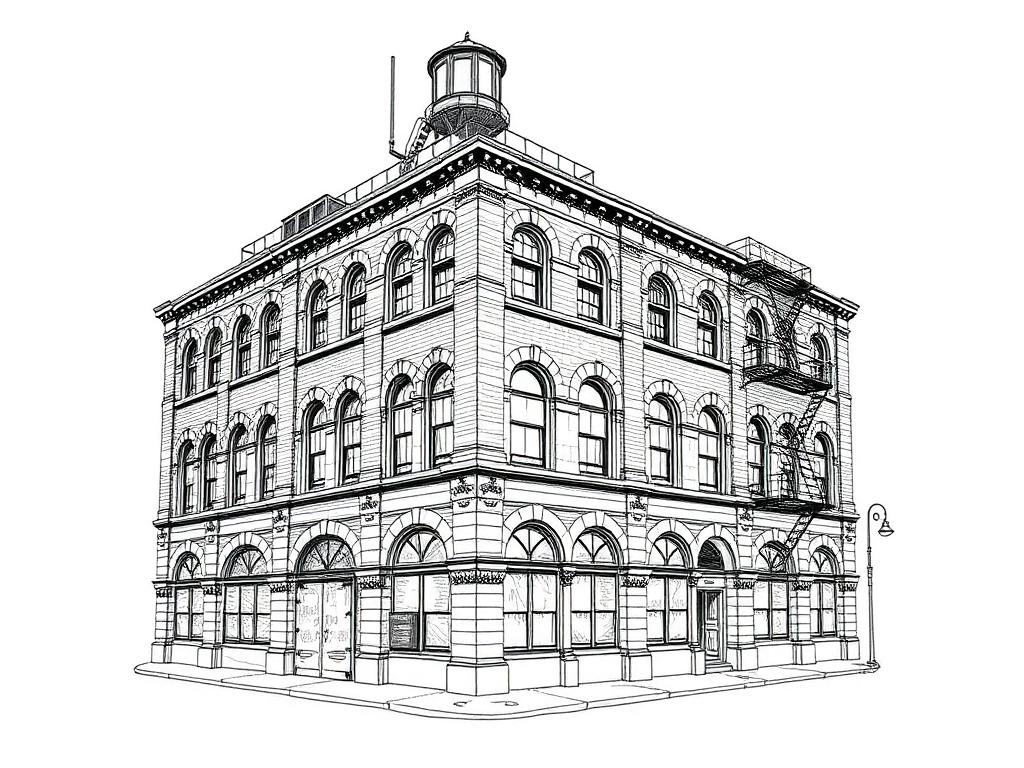
Brooklyn
The other half of the network. Seven districts, the same industrial bones, and completely different rules about what you can do inside them.
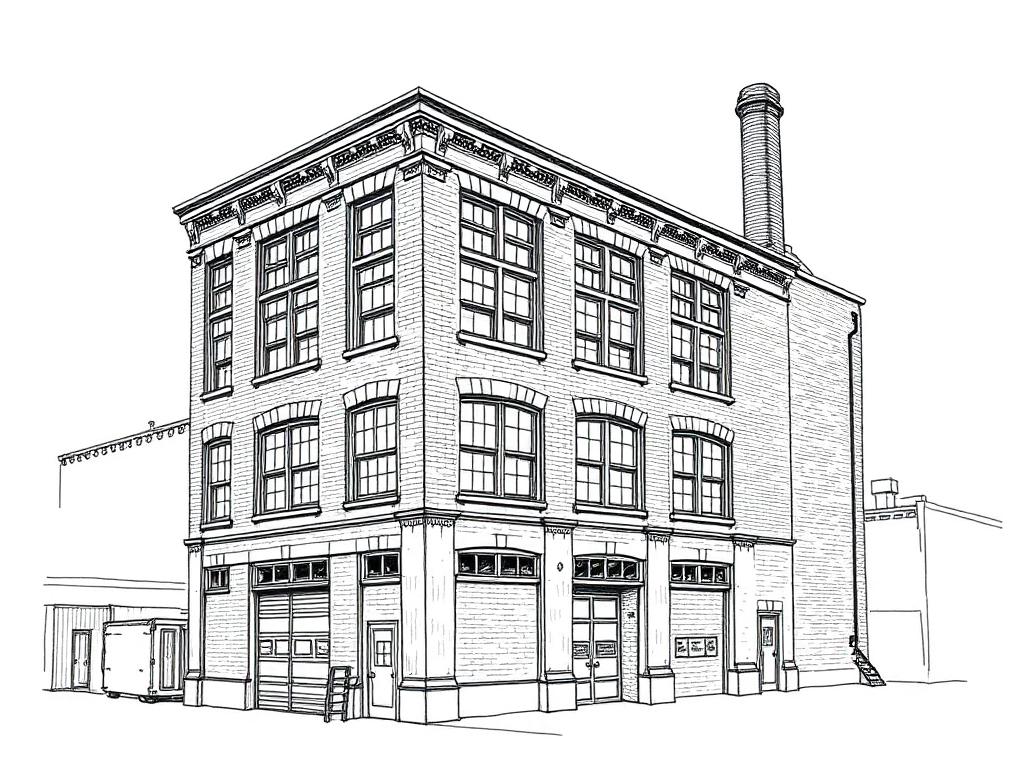
Greenpoint
Across Newtown Creek. Shipyard-era brick and the landmarked pencil factory — the catch is the G train.
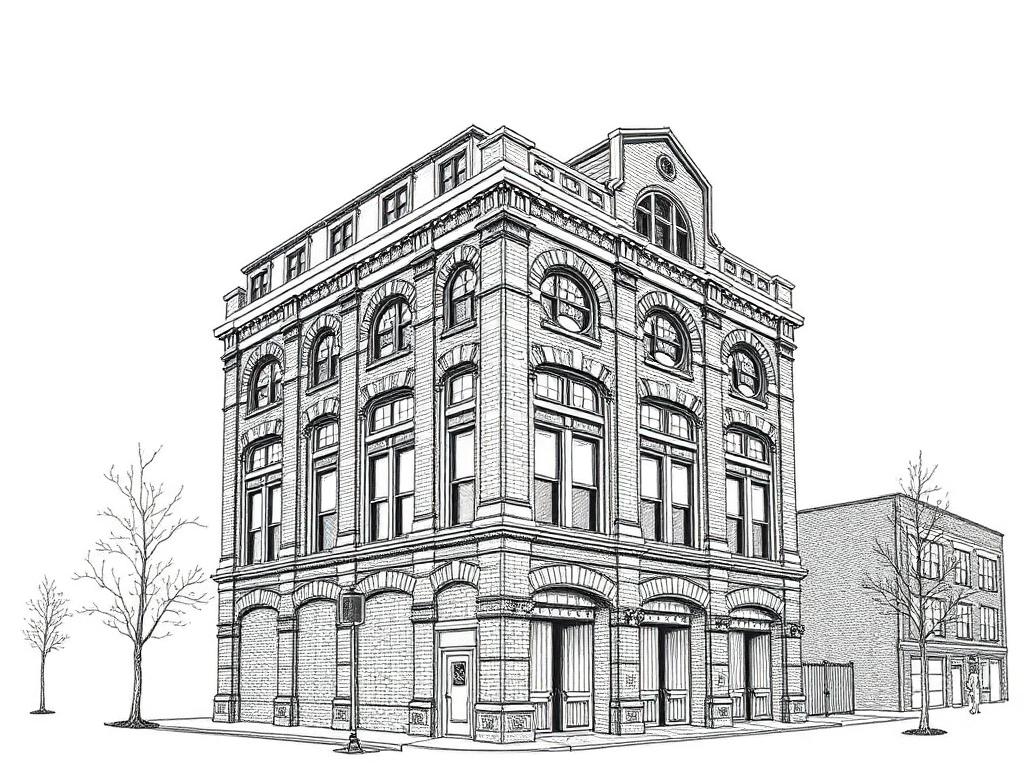
Bushwick
Ridgewood's other half, over the county line. The same brewery and mill belt, at Brooklyn prices.
Tell us what you're after.
Seven quick questions. A person reads it. We keep an eye out — including for floors that never hit a listing site.
Start the Brief →